Homer's Dulichium
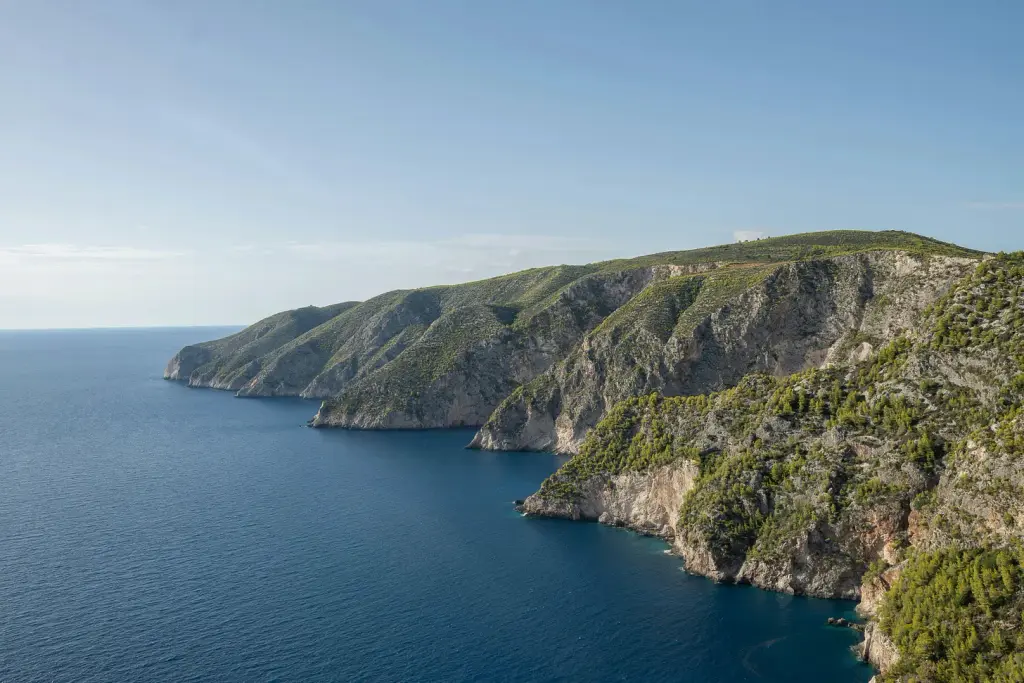
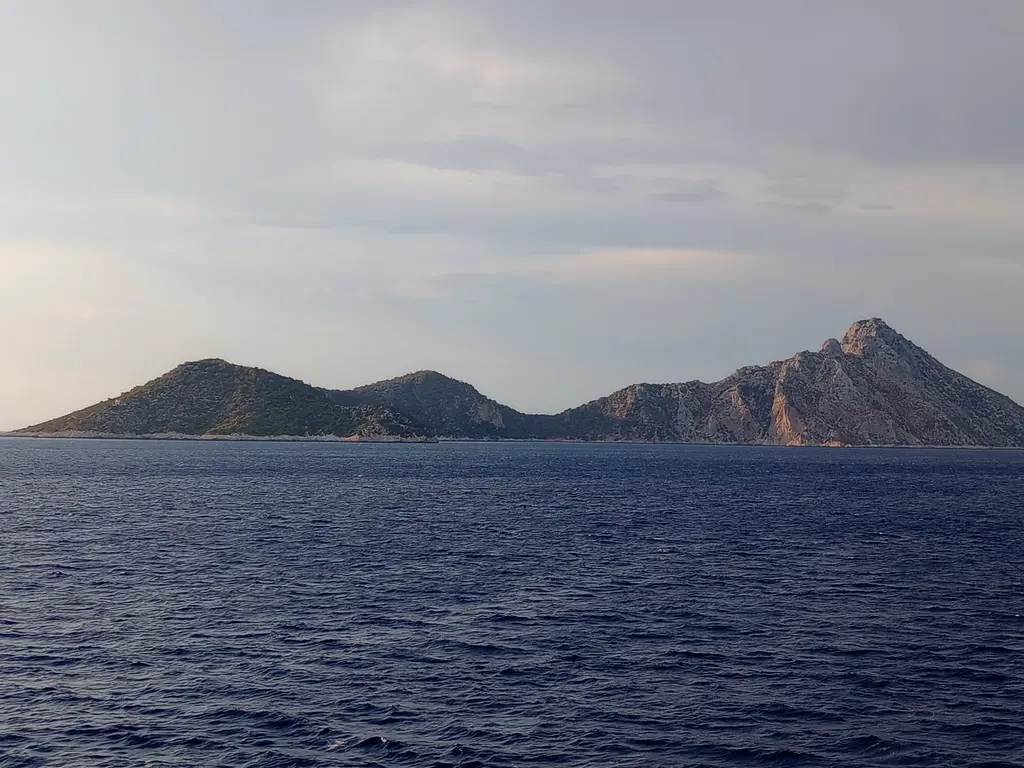
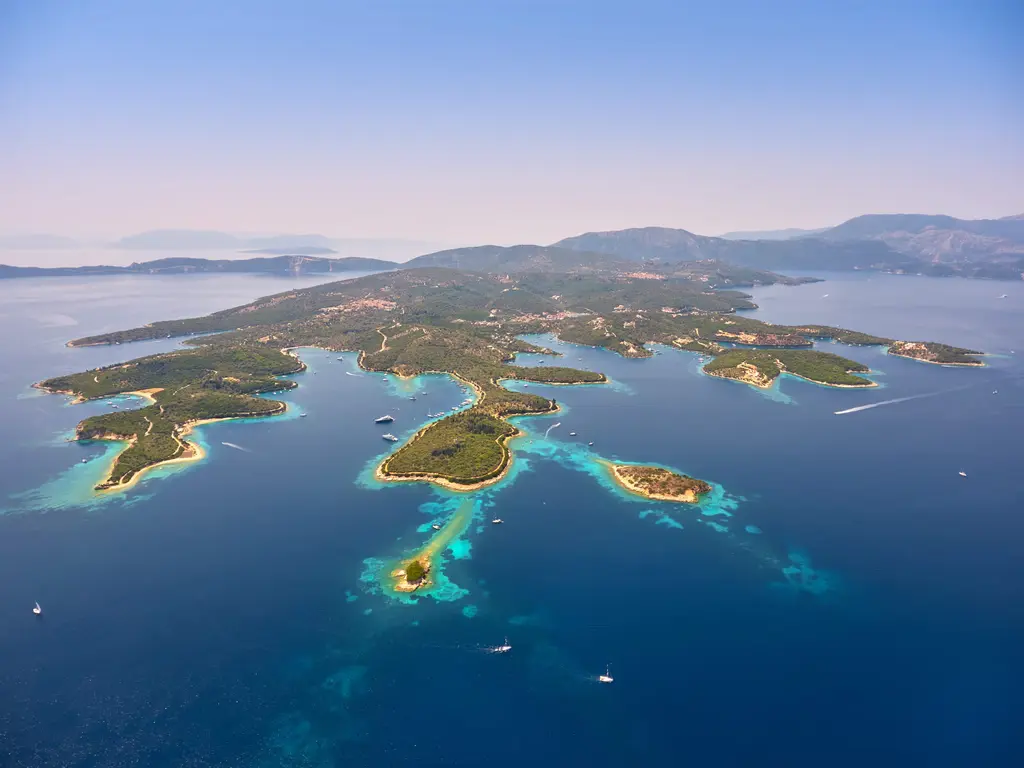
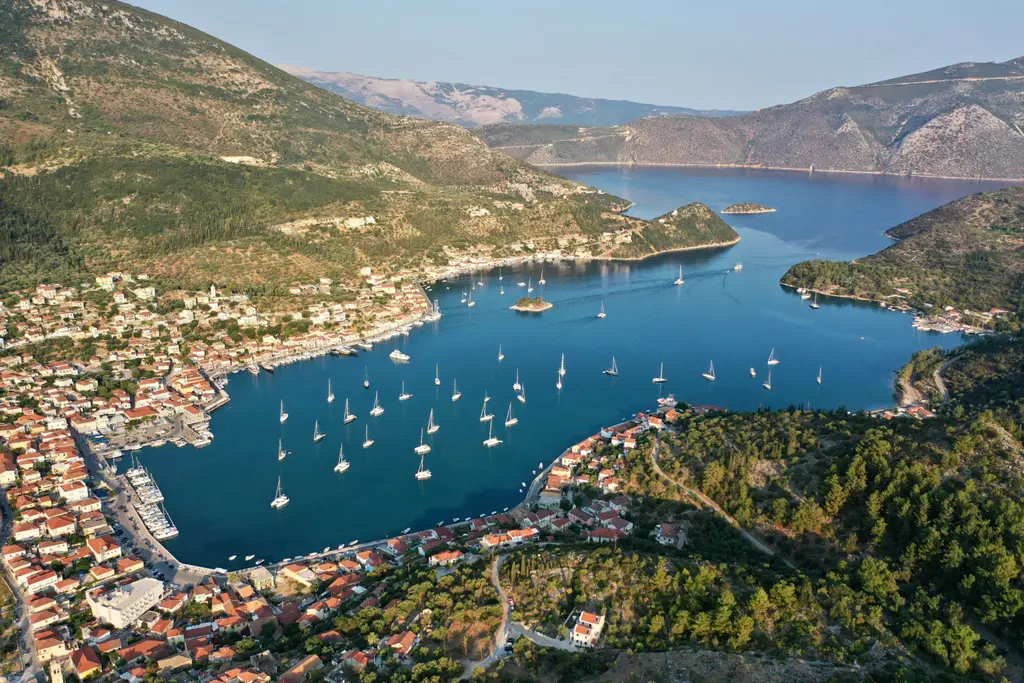
The island of Dulichium (Dulichion) is often referred to as the "ghost island" of Homeric topography because its traces were entirely lost during the Dark Ages. However, recent analysis suggests a strong correlation between Homer’s detailed descriptions of Dulichium and the topography of a modern island.
What is the Island Today?
Based on a purely rational reading and analysis of the Homeric texts, the island that corresponds to the powerful Homeric Dulichium is identified as the present-day island of Zakynthos (Zante).
Historically, until very recently (the publication of Dr. Vangelis Pantazis’s study), the majority of Homerists considered present-day Zakynthos to be the Homeric Zakynthos, making it one of the "safest anchorages" of Homeric topography. Consequently, few early researchers even considered the possibility that modern Zakynthos might be the lost Dulichium.
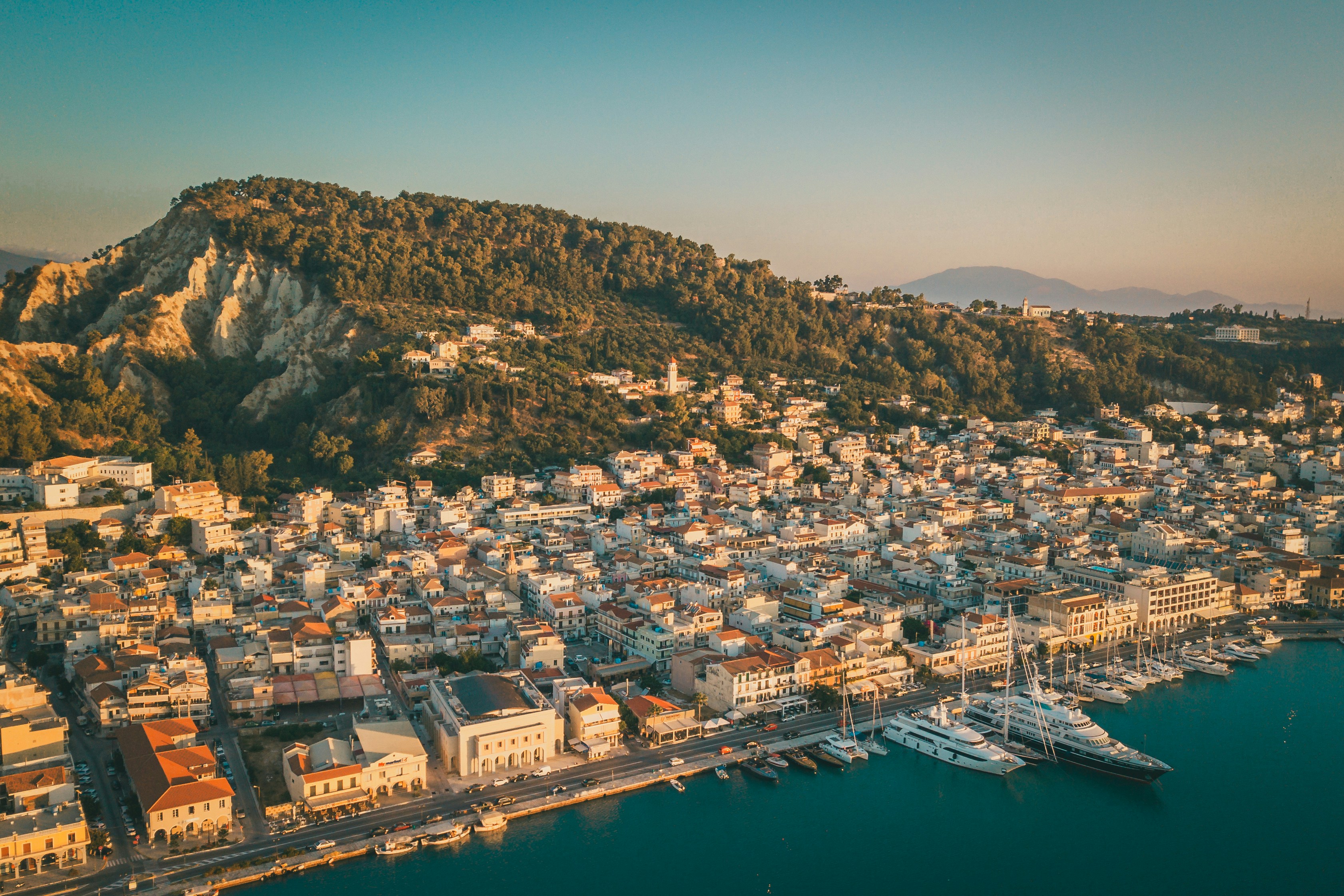
What is the Proposed Island?
The island proposed to be the historical Homeric Dulichium is the present-day island of Zakynthos (Zante).
This powerful island, led by Meges, son of Phyleas, was a mighty kingdom in the Mycenaean era.
What is Written in Homer's Iliad and Odyssey About the Island?
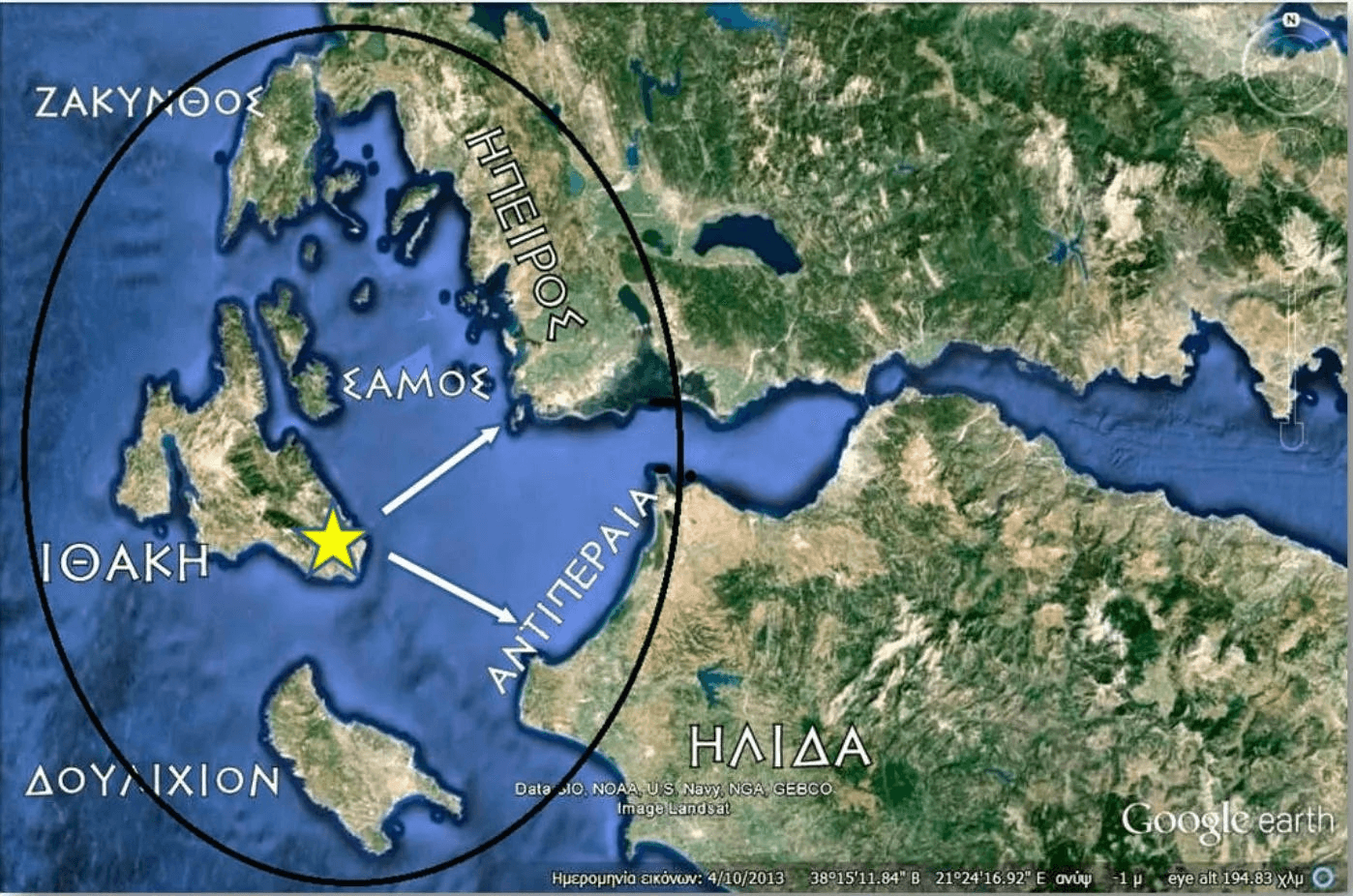
Dulichium was one of the four large islands in the Ionian Sea, along with Ithaca, Samos, and Zakynthos, located in the territory of Odysseus.
Homer provides several descriptive details about Dulichium, primarily found in the Iliad's Catalog of Ships and the Odyssey.
Key Characteristics and Location:
Wealth and Population: It was a large and populous island. It sent 40 ships to the Trojan expedition and contributed the greatest number of suitors (52) for Penelope's hand and the throne of Ithaca.
Productive Profile: It is repeatedly characterised as "poetic and very fertile" (poiēen kai polypyron), meaning it was lush (green) and grain-bearing (or "much-firing").
Geographical Orientation:
It lay opposite Ilida (pērēn halòs Ēlidos ánta), which is the northwest coast of the Peloponnese. Its leader, Meges, was an Epeian, whose kingdom was located across the sea in Ilida.
It was located south of Homeric Ithaca (now identified as Cephalonia).
The journey of a Thesprotian ship destined for Dulichium, traveling south, made an intermediate stop at Ithaca before continuing to Dulichium, confirming its southern location.
In the standard Homeric sequence listing the islands from south to north, Dulichium is listed first: "Dulichion and Sami and wooded Zakynthos".
How Do the Writings Match the Topography of the Island?
Modern Zakynthos matches the geographical and geomorphological descriptions of Homeric Dulichium with seven out of seven prerequisites being met.
Homeric Requirement | Description Match (Modern Zakynthos) |
|---|---|
Location (South of Ithaca/Cephalonia) | Zakynthos is the only large island south of Cephalonia. |
Location (Opposite Ilida) | Zakynthos is the only large island directly opposite the shores of Ilida (Elis). |
Topography (Lush and Grain-bearing) | Homer describes it as poiēen and polypyron. Zakynthos is the most low-lying and fertile island in the Ionian, having extensive fertile plains and pasturelands, suitable for grains. |
Shape (Dolic/Elongated) | The name Dulichium comes from Dolichos (meaning "long"). Zakynthos appears as an impressive elongated (dolic) figure on the horizon when viewed from the Peloponnese or Cephalonia. |
Relative Height (Low-lying) | Dulichium was described as a low-lying island. Zakynthos is the most low-lying island of the Ionian Islands. |
Sequence (First and Southernmost) | Zakynthos is the first and southernmost island mentioned in the fixed sequential verse Dulichion and Sami and wooded Zakynthos. |
Population/Culture | Archaeological excavations confirm a strong Mycenaean presence on Zakynthos, supporting the description of it as a large, populous island that sent many ships and suitors. |
This congruence suggests that present-day Zakynthos, due to its low-lying, fertile, and geographically strategic position opposite Ilida, was indeed the powerful, grain-bearing Dulichium of the Mycenaean era.
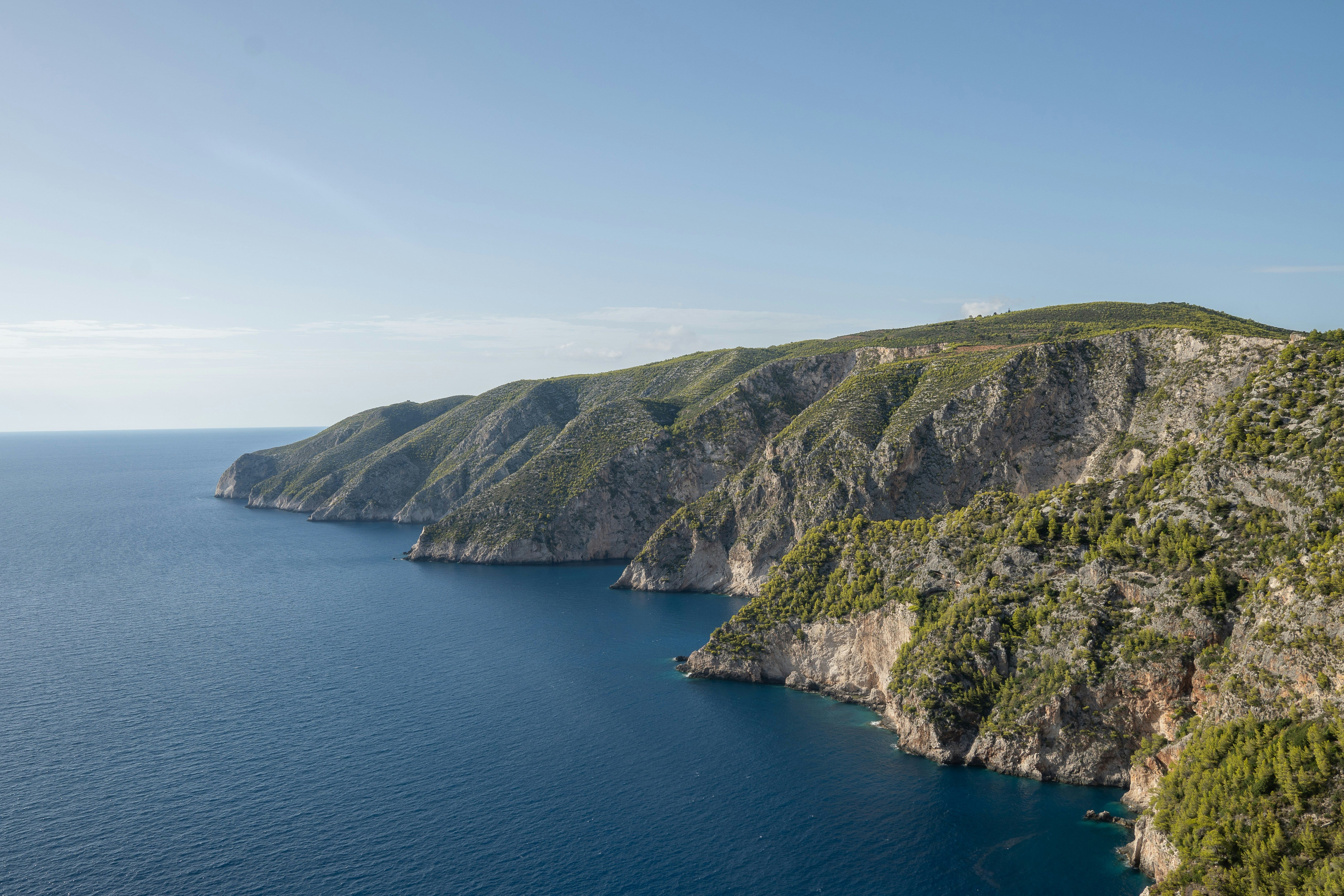
A Theory as to Why Its Name Changed
The massive discrepancy between the Homeric island names and the modern names in the central Ionian Islands (Ithaca, Samos, Dulichium, Zakynthos) is believed to be the result of a "systematic cartographic reorganisation" and a peculiar "upheaval" in Western Insular Greece between the collapse of the Mycenaean world and the start of the historical period.
Loss of the Name Dulichium:
The glorious and rich name Dulichium was completely lost from the major islands.
The name survived only as Dolicha, transposed to the tiny, barren, and insignificant islet of Makri in the Echinades Islands.
The persistence of scholars in locating the powerful kingdom of Dulichium based on this insignificant historical toponym (Dolicha) contributed to the belief that the great Dulichium had vanished, perhaps having sunk beneath the waves.
Name Swapping Theory (The "Pantazis Diamond"):
The theory suggests that the four major Homeric toponyms (Ithaca, Dulichium, Samos, Zakynthos) were retained in historical memory, but their geographical positions became inversely proportional to their actual Mycenaean placements.
The Mycenaean world used a geodetic concept where the South designated the "upper" (beginning) and the North the "lower" (end). By rotating the map to align with this Mycenaean worldview, the geographical locations and names snap into alignment with the Homeric descriptions:
The toponym Dulichium, which was the southernmost island (Mycenaean South), relocated to the position of modern Zakynthos.
The toponym Zakynthos, which was the northernmost island (hylēessa or wooded, modern Lefkada), relocated to the position of modern Lefkada.
The original name of the island (Dulichium) was not preserved for modern Zakynthos, but rather the name Zakynthos survived in that location, allowing the new historical names (Cephalonia and Lefkada) to dominate their respective northern locations.
For more information visit The Talking Stones post on The Homer's Ithaca blog.
Selected bibliography concerning the specific area and the Mycenaean presence on the islands of Kefalonia.
John T. Pierce, “Homer’s Influence on Mycenaean Archaeology and the Understanding of Late Helladic Historical Geography” (John T. Pierce, Professor Emeritus, Departments of Geography and Archaeology, Simon Fraser University, Canada.) https://jaa.thebrpi.org/journals/jaa/Vol_12_2024/1.pdf
John Albanese: (2020). “Some Preliminary Finds from the Tholos Tomb and Ossuary at Borzi Hill, Tzannata, Kefalonia.” Revista Maracanan 22. Available at: http://seer.unirio.br/revistam/article/view/11211/10988.
Klavs Randsborg, KEPHALLENIA: Archaeology & History, The Ancient Greek Cities, BLACKWELL MUNKSGAARD Vol. 1 & 2, 2002.
Lazaros Kolonas: “Tzannata of Poros,” Archaiologikon Deltion, vol. 47 (1992), part B1, Chronika, pp. 154–157.
Lazaros Kolonas: archaiologia.gr/print-article/?print=35604
Lazaros Kolonas: “Built Chamber Tomb at Tzannata of Poros, Cephalonia,” Kephalliniaka Chronika, vol. 11, pp. 381–382.
Lazaros Kolonas: Proceedings of the Conference on Letters, History and Folklore of the Pronnon region, “The Tholos Tomb of Tzannata of Poros,” p. 339.
Lazaros Kolonas: “The geographic advantage, the relief and the prehistory of an area, decisive factors for the foundation of a Mycenaean installation. The example of Cephalonia,” Proceedings of the XI Panionian International Conference, Argostoli Kefalonia2018, vol. 5, pp. 111–122.
Lazaros Kolonas: “Ancient Installations of Southeastern Cephalonia,” 7th Panionian Conference, vol. 2, pp. 37–45, Lefkada 2002.
Antonis Vasilakis: ttp://www.elliniki-gnomi.eu/archives/47791 “‘Odysseus was king of the Cephalonians’” | ELLINIKI GNOMI.
Antonis Vasilakis: Kefallonia Newspaper, interview with Dr. Antonis Vasilakis by Athanasia Markatou & archaiologia.gr/print-article/?print=35604
Antonis Vasilakis: “Mycenaean settlement at Tzannata of Poros, Cephalonia,” archaiologia.gr/?p=35604
Antonis Vasilakis (Honorary Director, Ministry of Culture; Former Ephor of Antiquities of Cephalonia–Ithaca & Zakynthos): “Mycenaean Seminar: Late Helladic Apsidal / Ellipsoid (Ovoid) Megaron at Tzannata of Poros, Cephalonia.”
Antonis Vasilakis: “Late Helladic Ellipsoidal Megaron at Tzannata of Poros. New evidence for the Late Helladic period in Cephalonia,” Proceedings of the 1A Panionion Conference 2018, vol. 5, pp. 51–74. https://www.openbook.gr/ia-diethnes-panionio-synedrio/
Ioannis Moschos, “Mycenaean occupation in Cephalonia. Population nuclei, list of sites and conclusions,” 7th Panionian Conference announcement, Lefkada, 2002.
Ioannis Moschos, “The Area of Pronnon and the eastern coast of Cephalonia before history, topography of the island, catalogue of sites and conclusions,” Proceedings of the Pronnon Region Conference 2005, pp. 227–324.
Odysseas Metaxas, “Observations on the early biography of the Odyssey,” 2020, Kymothoe magazine, vol. 30, pp. 55–84.
Odysseas Metaxas: Diverging trajectories within the west Mycenaean koine: the evidence from Kefalonia. (book chapter) In Archaeology of the Ionian Sea, Oxbow Books (2022) 10.2307/j.ctv22fqc0s.18 (pp. 169-178)
Odysseas Metaxas: “Archaeolinguistic elements from Cephalonia,” 1A Panionian Conference 2018, vol. IV, pp. 751–769. https://www.openbook.gr/ia-diethnes-panionio-synedrio/
Ioannis Boskos & Odysseas Metaxas: “The Tholos Tomb of Mavrata 80 years later,” Proceedings of the 1A Panionion Conference 2018, 5th volume, pp. 125–137. https://panionio.files.wordpress.com/2020/07/04-boskos-metaxas-sel.-123-138_m.pdf
Georgia Stratouli, Odysseas Metaxas, Anastasios Bekiaris, Anagia Sarpaki: “Practical social cohesions in the Neolithic of the Ionian: readings of archaeological material from the Drakaina Cave in Poros, Cephalonia,” 11th International Panionian Conference (Corfu, 30 April – 4 May 2014), published in the Proceedings 2017.
E. M. Chatziotou–G. Stratouli–E. Kotzambopoulou, “The Cave of Drakaina,” Archaeological Proceedings of Athens (1989), pp. 31–60 & Evangelia-Miranda Chatziotou, Georgia Stratouli, “The Drakaina Cave at Poros Cephalonia: evidence for prehistoric use and cult in historical times,” Proceedings of the 6th Panionian Conference, vol. A, pp. 61–76.
Stamatina Zapanti, “The participation of the Pronnon of Cephalonia in the Athenian Alliance,” Keph. Chronika, vol. 5, pp. 193–200.
Olympia Vikatos, “In the footsteps of the Taphians pirates: their wanderings in the Ionian Sea during the Late Bronze Age and the Dark Ages,” Proceedings Proceedings of the XI Panionian International Conference, Argostoli Kefalonia 2018, pp. 75–110.
Christina Souyoudzoglou-Haywood, Archaeology and the Search for Homeric Ithaca: The Case of Mycenaean Kephalonia Article in Acta Archaeologica · December 2018
Christina Souyoudzoglou-Haywood, Reuse and cult at the Mycenaean tombs of Kephalonia in the ancient historical periods. July 2020 In book: Proceedings of the XI Panionian International Conference, Argostoli Kefalonia 2018 (pp.223-242)
Christina Souyoudzoglou-Haywood, The Ionian Islands in the Bronze Age and Early Iron Age (3000-850 BC), 2nd edition. August 2025 Publisher: Liverpool University Press.
Christina Souyoudzoglou-Haywood, Islands in the stream:: a maritime perspective of the south-central Ionian islands in the Late Bronze Age, January 2022 DOI:10.2307/j.ctv22fqc0s.15 In book: Archaeology of the Ionian Sea (pp.117-136)
Christina Souyoudzoglou-Haywood, Archaeology of the Ionian Sea: Landscapes, seascapes and the circulation of people, goods and ideas from the Palaeolithic to the end of the Bronze Age January 2022 Publisher: OXBOW BOOKS
Petros Petratos, “From Heracles to the Dragon. Arakli and the strait of Poros,” Proceedings 1st Conference on the Letters, History and Folklore of the Pronnon region, Cephalonia 2005, pp. 379–395.
Petros Petratos, “Homeric Nymph Cave: Melissani Cave,” Keph. Chronika vol. 8, 2003, pp. 239–265.
Petros Petratos, “The Homeric Krokyleia,” Kephalliniaka Chronika, vol. 9, 2003, pp. 155–165.
Marinatos, Spyridon N. 1962. Kefallinia: A Historical and Archaeological Walk.
(Πρωτότυπο: Κεφαλληνία. Ιστορικός και αρχαιολογικός περίπατος)Marinatos, Spyridon.1923 (for the years 1920–21).“Archaeological Investigations throughout Cephalonia.”(Πρωτότυπο: «Αρχαιολογικαί έρευναι ανά την Κεφαλληνίαν»)
Marinatos, Spyridon. 1932. “The Goekoop Excavations in Cephalonia.” (Πρωτότυπο: «Αι ανασκαφαί Goekoop εν Κεφαλληνία»)
Marinatos, Spyridon. 1933. “The Goekoop Excavations in Cephalonia (Part II).”
(Πρωτότυπο: «Αι ανασκαφαί Goekoop εν Κεφαλληνία» — συνέχεια του προηγούμενου τόμου)Marinatos, Spyridon. 1951. “Excavations in Cephalonia.” (Πρωτότυπο: «Ανασκαφαί εν Κεφαλληνία»)
Marinatos, Spyridon. 1964 (published 1967). “Investigations in Sami of Cephalonia.”
(Πρωτότυπο: «Έρευναι εν Σάμη της Κεφαλληνίας»)Henriette Putman Gramer – Gerasimos Metaxas, Homeric Ithaca: An unidentified Mycenaean center in the islands of the Cephalonians, Cactus Editions, Athens 2000.
Henriette Metaxas-Putman Cramer, Makis Metaxas, Jan Pierce, John Pierce.
"IN far SEEN ITHACA Unravelling Homeric Riddles in the Ionian Sea" (forthcoming).Athens APE-MPE: “The most important archaeological events in Greece in 2011,” scientists speaking to APE-MPE, 28 Dec. 2011.
Vaggelis Pantazis, “The size of Homeric Ithaca,” Kephalliniaka Chronika, vol. 8, Argostoli 1999, p. 271.