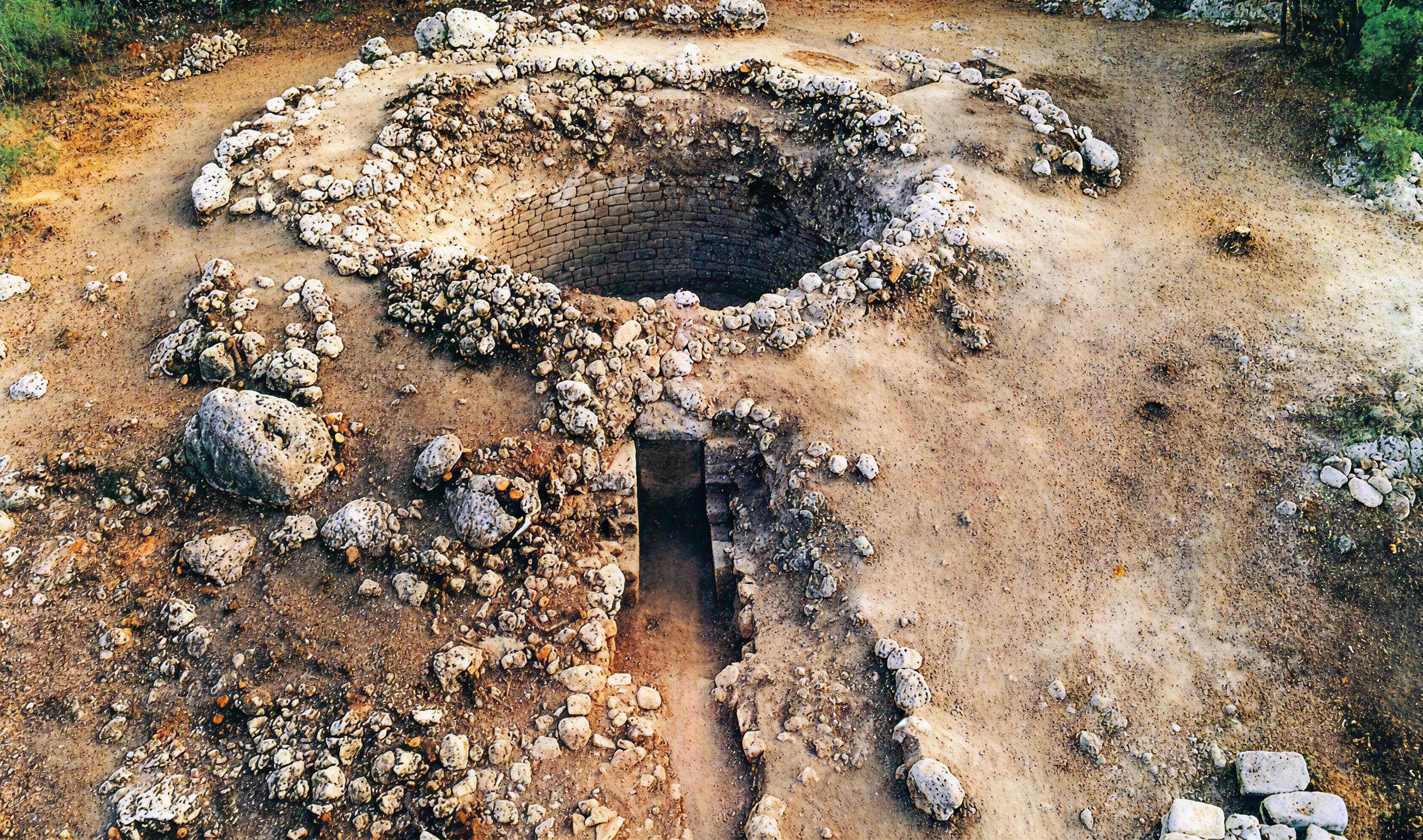
The Tzannata Tomb
Monumental evidence of a Mycenaean power center that reshapes our understanding of Homeric Ithaca.
A Discovery That Changed Everything
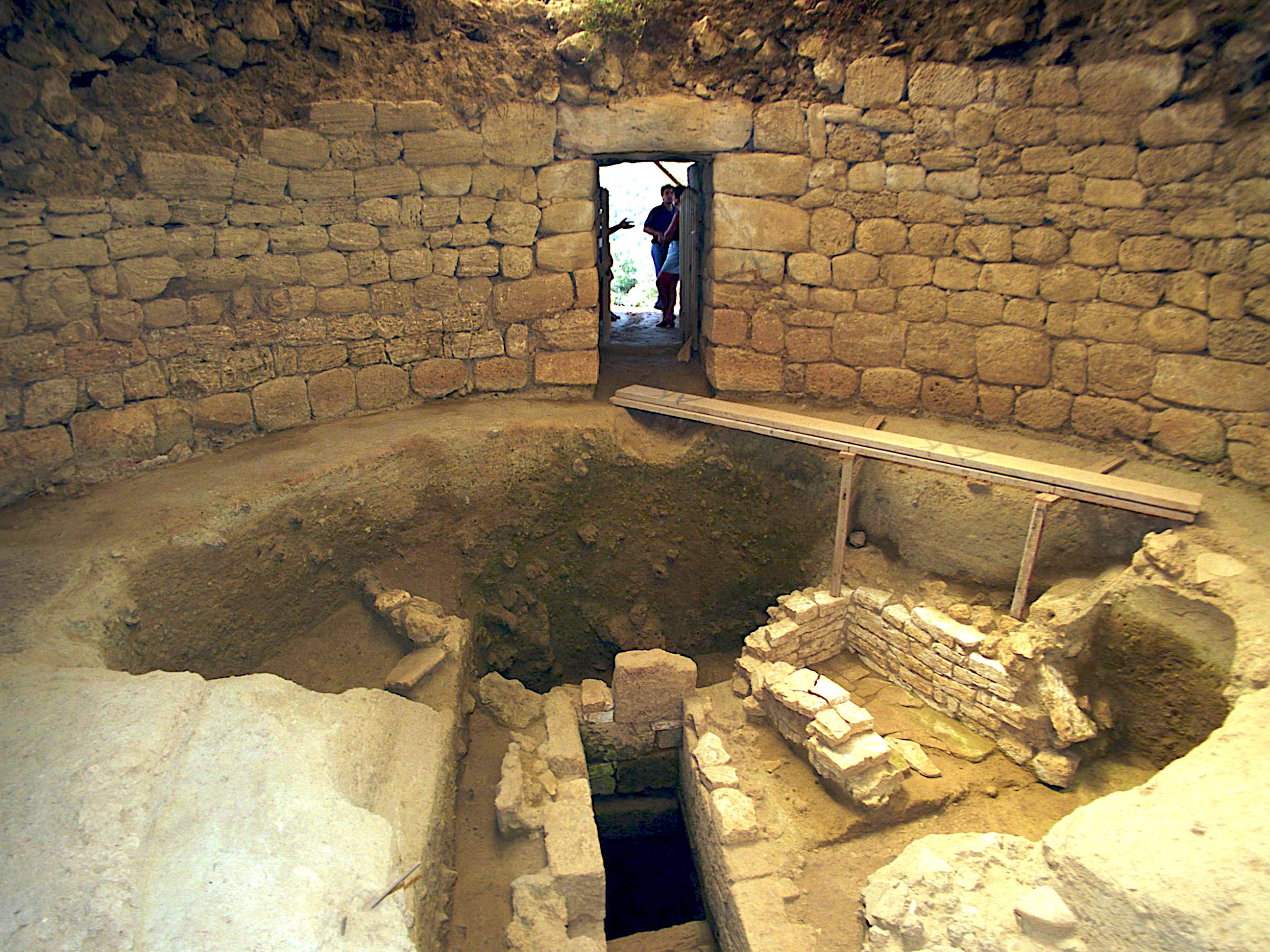
In 1991, a groundbreaking discovery on Borzi Hill in Tzannata, Cephalonia, brought new light to one of archaeology's greatest mysteries. This monumental beehive tomb—the largest of its kind in northwestern Greece—stands as tangible proof of a powerful Mycenaean kingdom that flourished here over 3,000 years ago. With its impressive 6.8-meter diameter and evidence of continuous use from 1350 BC through the Hellenistic period, this princely tomb tells a story that Homer may have known well.
1350BC
Date of Construction
72
Individuals in the Ossuary
6.8m
Tomb Diameter
Why the Tzannata Tomb Changes the Debate
001
Symbol of Authority
A monument of this scale could only be built by an established elite with substantial resources -exactly the kind of kingdom Homer described.
002
Strategic Epicenter
Located to control vital maritime routes to Italy and the Gulf of Otranto, with natural defenses and access to the fertile Tzannata valley.
003
Three Centuries of Power
Archaeological evidence shows this center thrived for over 300 years, demonstrating sustained regional dominance.
004
The Missing Link
Modern Ithaki has never yielded a single Mycenaean tomb despite two centuries of excavation—this tomb fills that gap.
005
Elite Burials
The tomb's primary chambers held ruling-class individuals, with an adjacent ossuary containing 72 individuals—unprecedented in the region.
006
Royal Offerings
Unique funeral offerings included the oldest cat ever found in Greece, plus horses, dogs, and cattle—signs of extraordinary status.
What the Excavations Revealed
Visit the Tomb
The Team Behind the Discovery
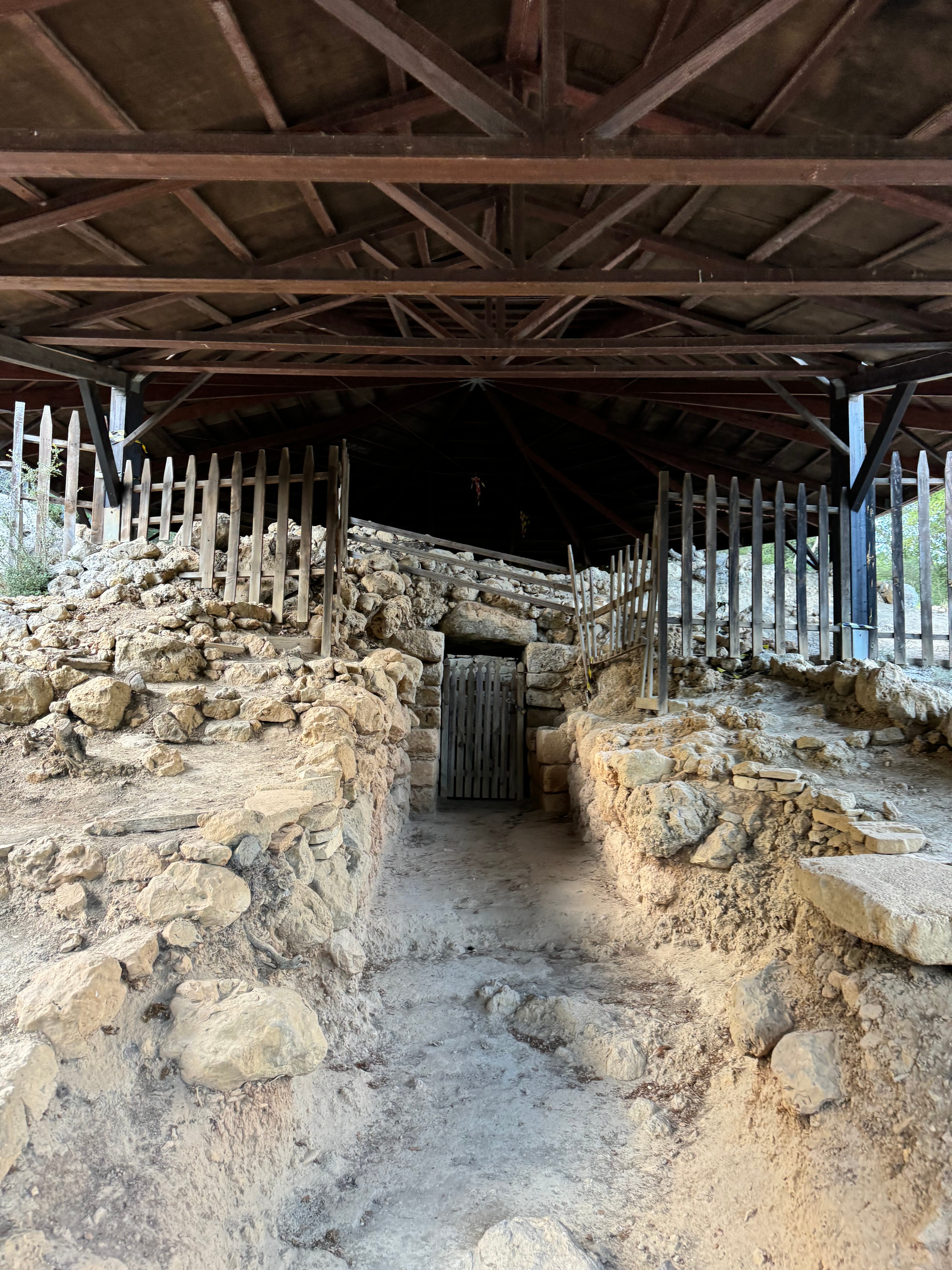
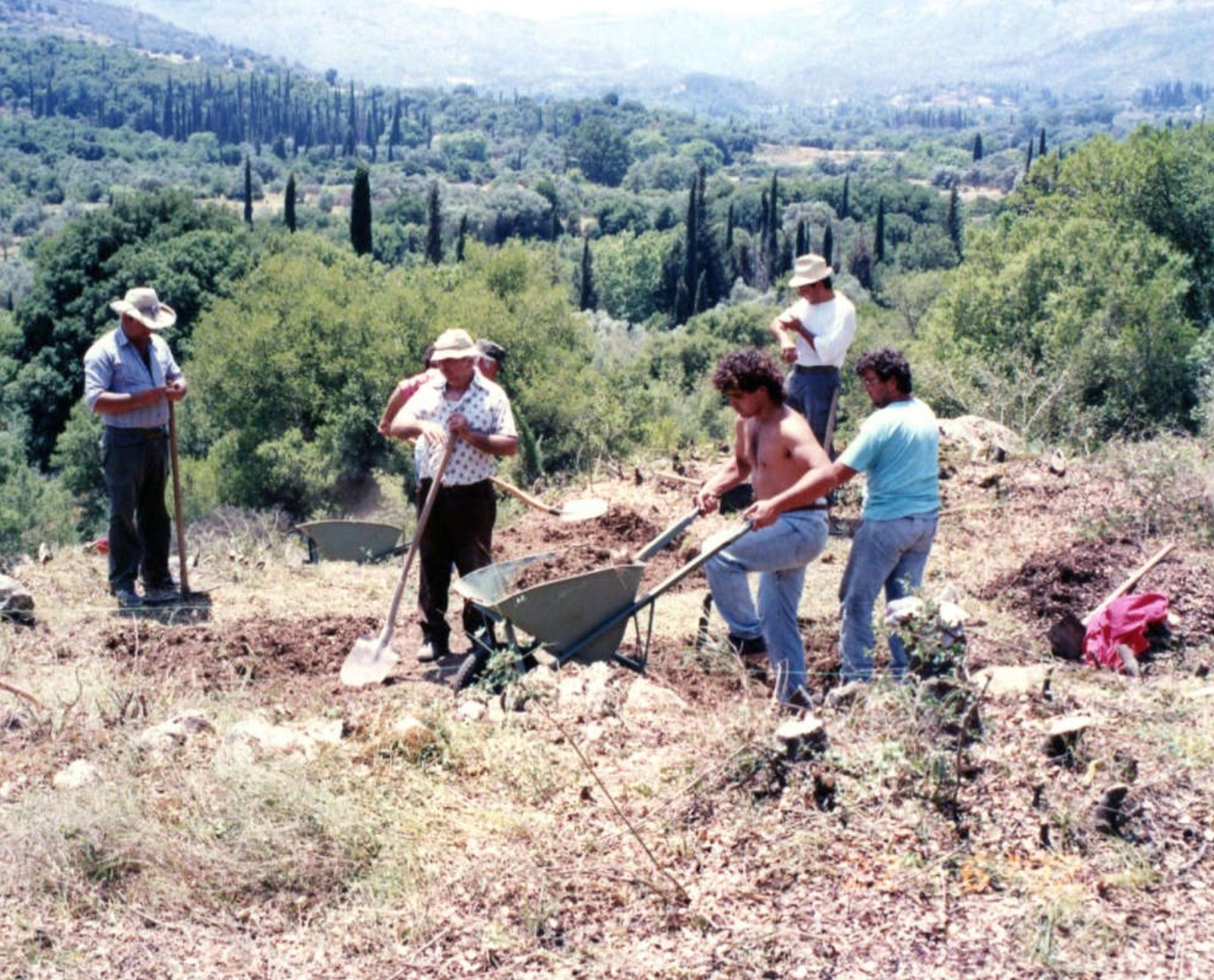
In September 1991, the tomb's covered entrance was located emerging through dense undergrowth on Borzi Hill—a moment that would spark three years of intensive excavation. Led by Dr. Lazaros Kolonas, supervisor of the 6th Directorate of Prehistoric and Classical Antiquities, a dedicated team of archaeologists, researchers, and specialists worked to unlock the tomb's secrets.
Dr. Antonis Vasilakis later uncovered the adjacent Mycenaean settlement and its remarkable megaron, while Professor John Albanese of the University of Windsor continues to analyze the skeletal remains of over 100 individuals. This collaborative effort—spanning excavation, analysis, and interpretation—has fundamentally rewritten our understanding of the Mycenaean world in Western Greece.
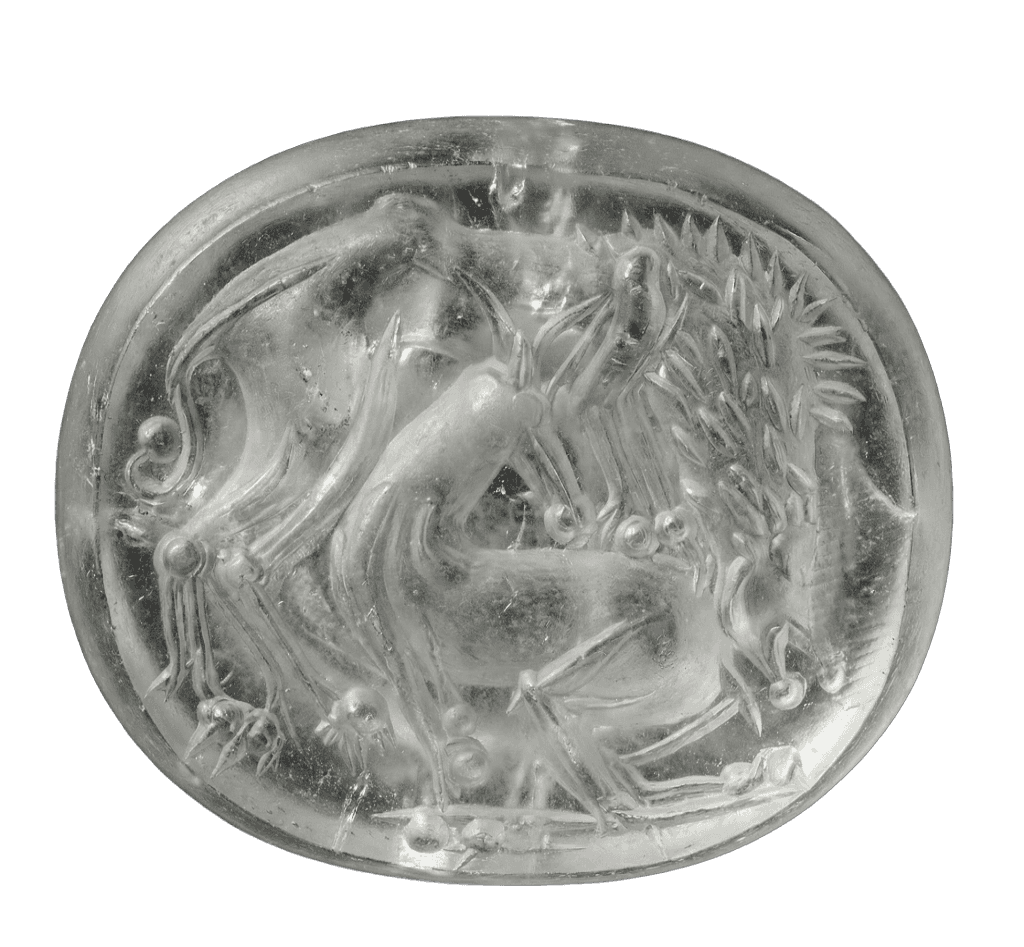
Evidence
Explore the Dig
Step into the excavation at Tzannata. Among the finds was a rock-crystal seal stone depicting a lion attacking a wild goat - a predator-and-prey motif that echoes Homer’s own description of Odysseus wearing a gold brooch showing a hound clutching a dappled fawn.