Homer's Ithaca
The geographical location of Homeric Ithaca remains one of the greatest unsolved mysteries in global archaeology, even 3200 years after the time of Odysseus. While the prevailing traditional view places the hero's palace on the modern island of Ithaca, many details in the Homeric texts seem to contradict the current topography.
What is the Island Today?
Based on recent comprehensive research that compares the Homeric descriptions with modern geographical data, the island corresponding to Homer's Ithaca is proposed to be the present-day island of Cephalonia.
The Homeric kingdom of Ithaca appears to have encompassed the present-day island of Cephalonia in its entirety, including the regions of Paliki, Krania, Pronnon, Sami, and Eryssou.
What is the Proposed Island?
The island that Homer describes as the homeland of Odysseus, the King of the great-hearted Cephalonians, is identified as Cephalonia.
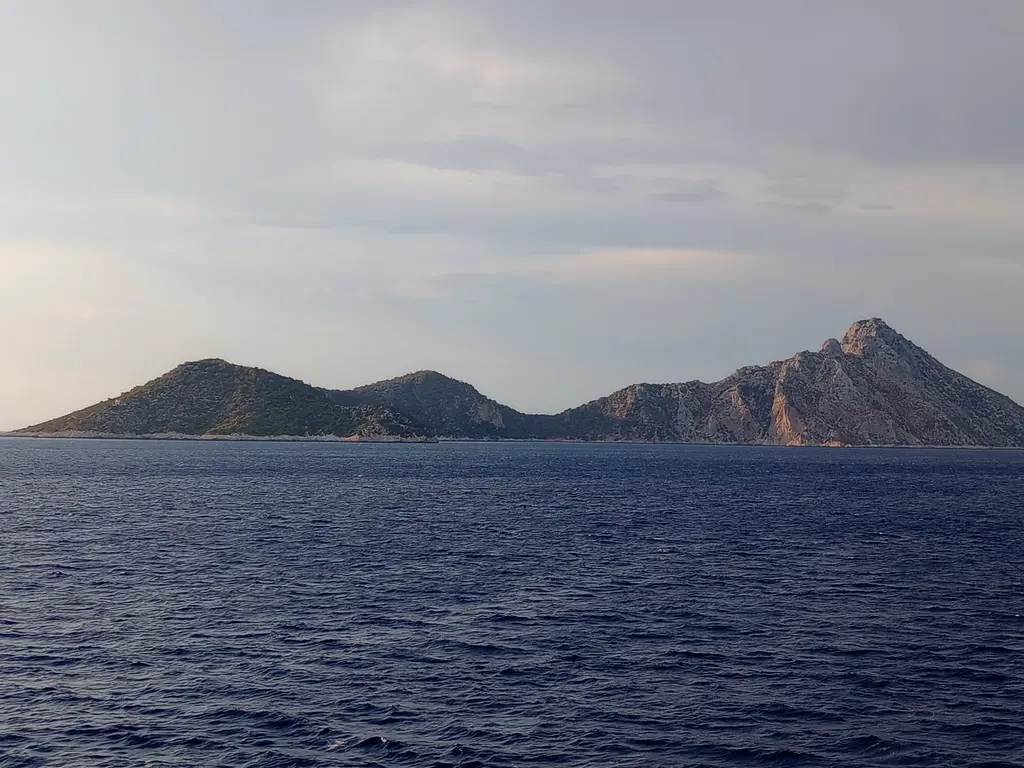
Conversely, evidence suggests that the present-day island of Ithaca was actually the Homeric island of Samos or Sami (the mountainous island) during the Mycenaean epoch.
What is Written in Homer's Iliad and Odyssey About the Island?
Homer provides an exceptionally detailed, analytical, and photographic description of Ithaca, mainly through the voice of Odysseus and the goddess Athena, characterizing the island with many distinguishing adjectives.
The island is identified as:
A Well-Known and Famous Place: The goddess Athena calls anyone who does not know this land "foolish" (nēpion), noting that it was known by all who traveled from the Eastern to the Western Mediterranean.
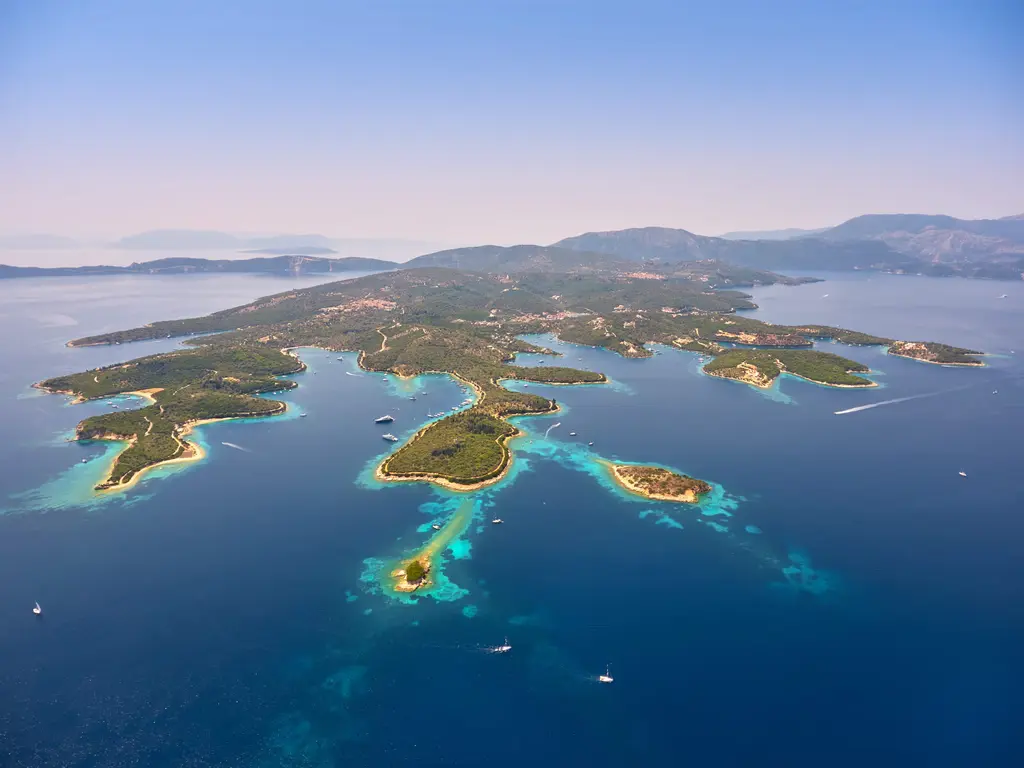
A Large and Broad Island: Homeric Ithaca is described as "Broad" (Eurēia). Its description is often contrasted with the much smaller and arid island known today as Ithaca.
Mountainous and Rugged (Trichia): It is rough (Trichia), having prominent mountain peaks (Paipalóessa) and not suitable for horses (ouk hippilatos).
Visible from Afar (Eudielos): It is called Eudielos (clearly visible/renowned), primarily because of its impressive mountain, Nērīton.
Westernmost Location: It is described as lying "low, very high above the sea, towards the gloom" (the western side), while the other surrounding islands lie "towards the dawn and the sun" (the east).
Rich in Resources: The island produces abundant wheat and wine, is suitable for grazing goats and oxen, has forests with all kinds of trees, and is notable for its endless springs running with irrigation grooves. The fame of its rich forests and timber reached Troy.
How Do the Writings Match the Topography of the Island?
The features described in the Homeric texts align closely with the topography of modern Cephalonia, particularly its southeastern region.
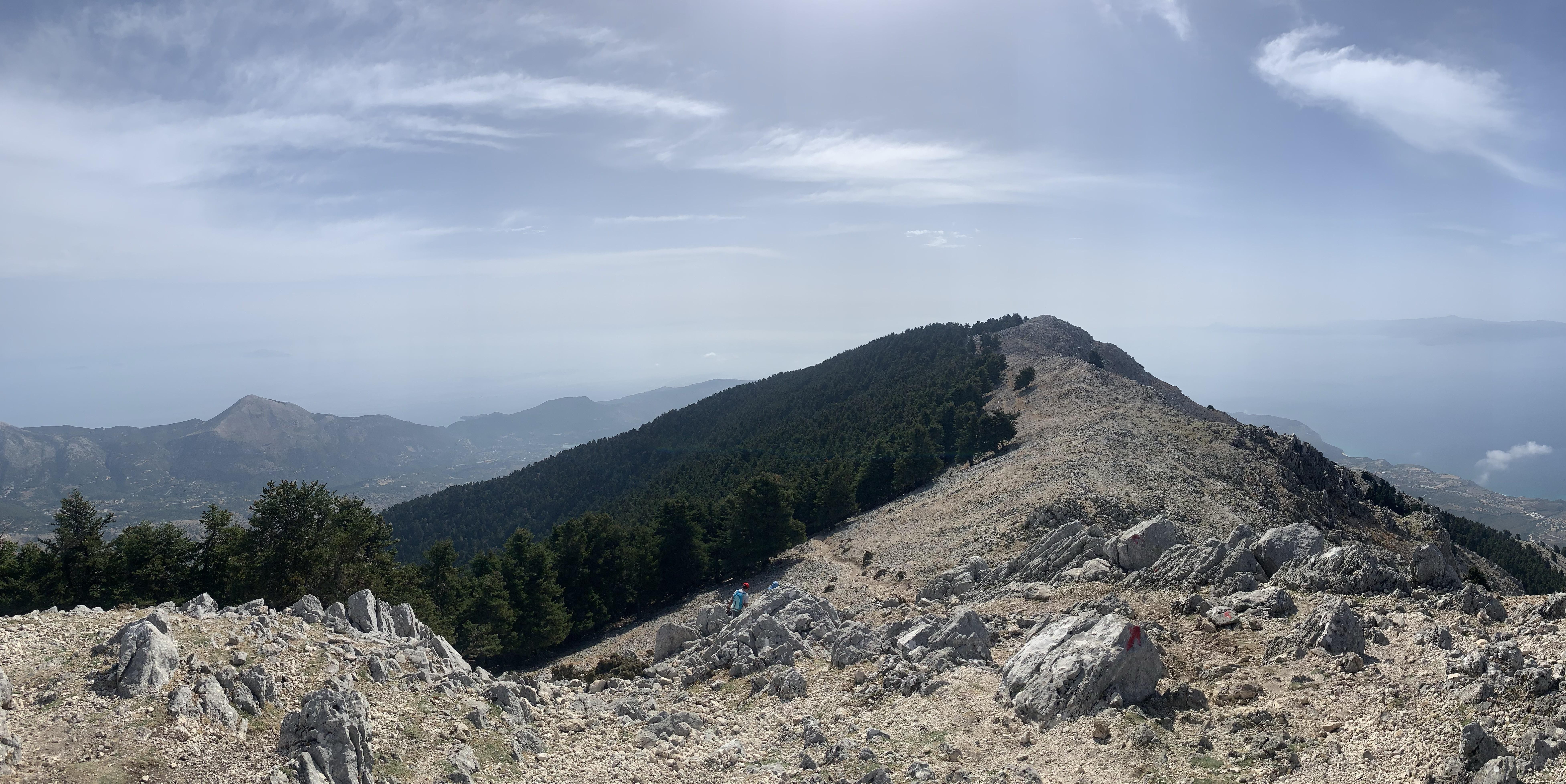
Mount Neriton
The mountain is described as Nērīton, being "leaf-shaking" (einosiphyllon), "very conspicuous" (ariprepes), and "covered with woods".
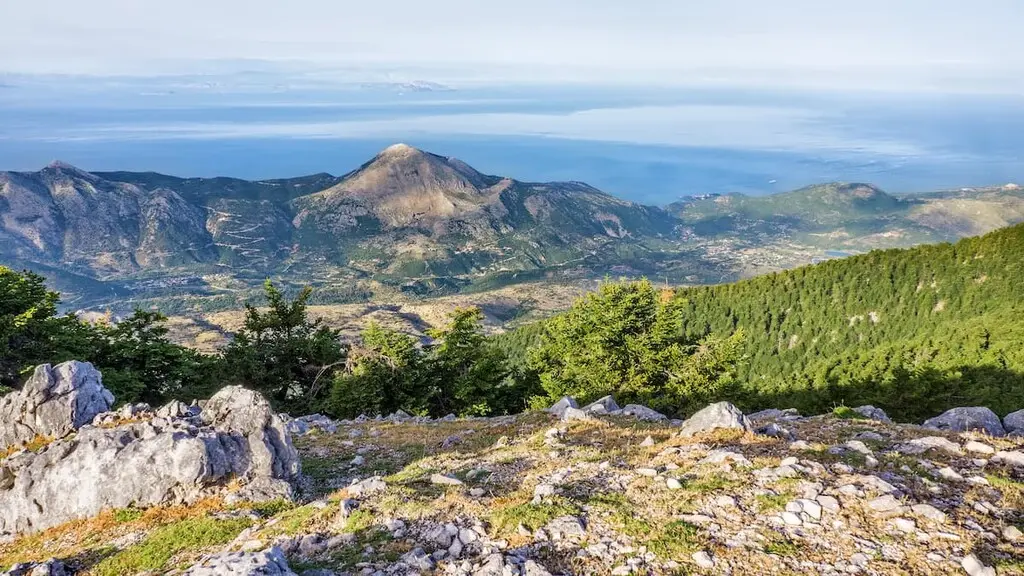
Topographical Match: This description perfectly matches Mount Ainos (or Ainos) of Cephalonia. Ainos (1628m) is the central identifying feature.
Visibility: The Homeric hymn to Apollo Pythios specifically mentions that the steep mountain of Ithaca (Nērīton) was clearly visible from Cape Pheas (today's Katakolo) on the western Peloponnese. Satellite images and photographs confirm that from this position, only the towering, fir-covered Ainos of Cephalonia is clearly visible, while the mountains of the present-day Ithaca island fade into the depth of the horizon. This commanding presence made it a crucial navigational landmark.
Cave of the Nymphs
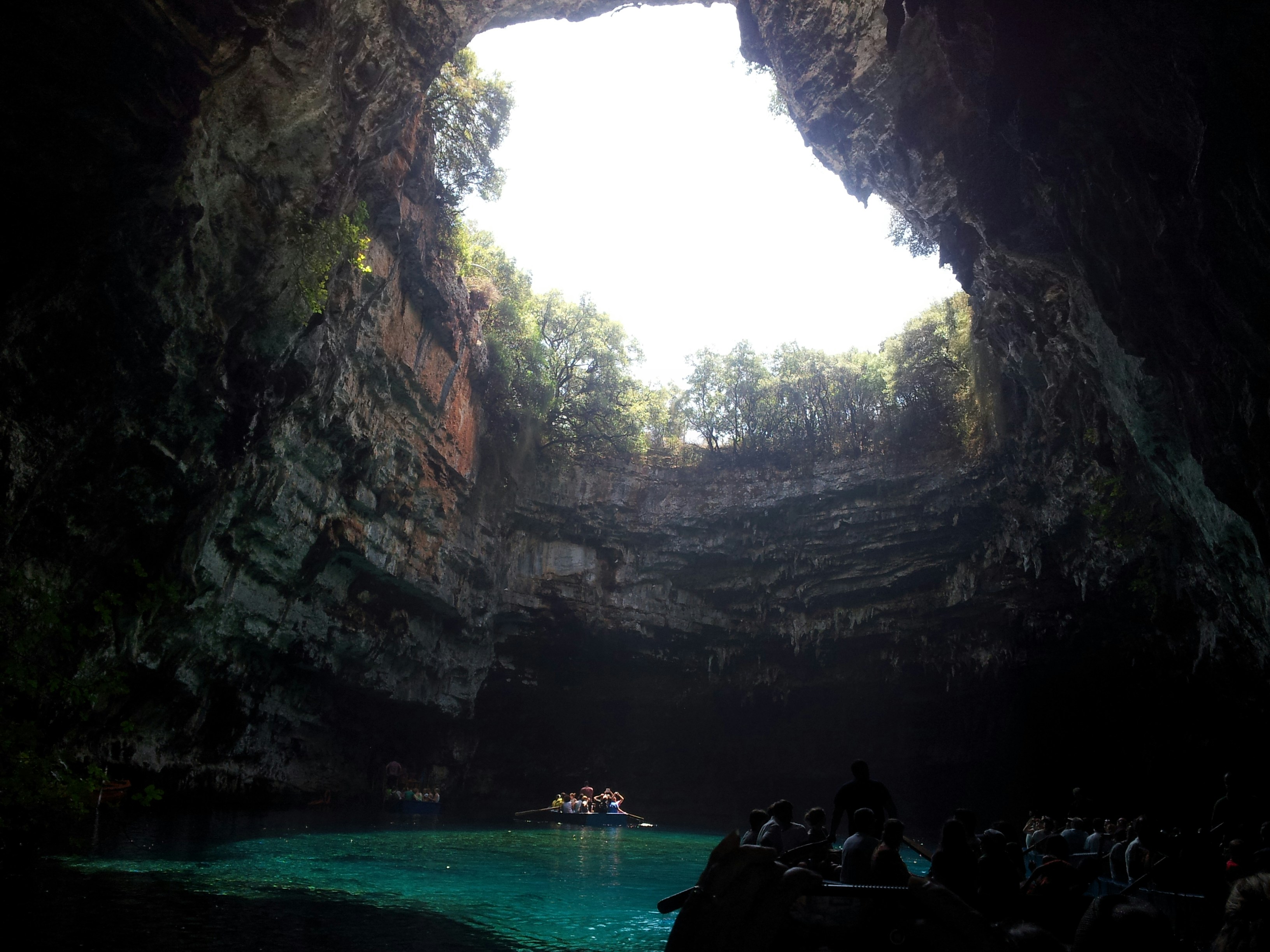
The goddess Athena indicated the Cave of the Nymphs to Odysseus, along with Mount Neriton, as undeniable proof that he had returned to his homeland. It was near the port of Forkyna, a delightful, airy, sacred cave, known as the dwelling of the Melissón (Bees/souls), and was filled with running waters.
Topographical Match: This site is identified with the Lake Cave of Melissani in eastern Cephalonia. This cave is renowned worldwide and is archaeologically proven to have been dedicated to the Naiad Nymphs (nymphs of the waters). Its location near the Bay of Sami (proposed location of the Port of Forkyna) corroborates the Homeric placement.
Pronnon (The Administrative Center)
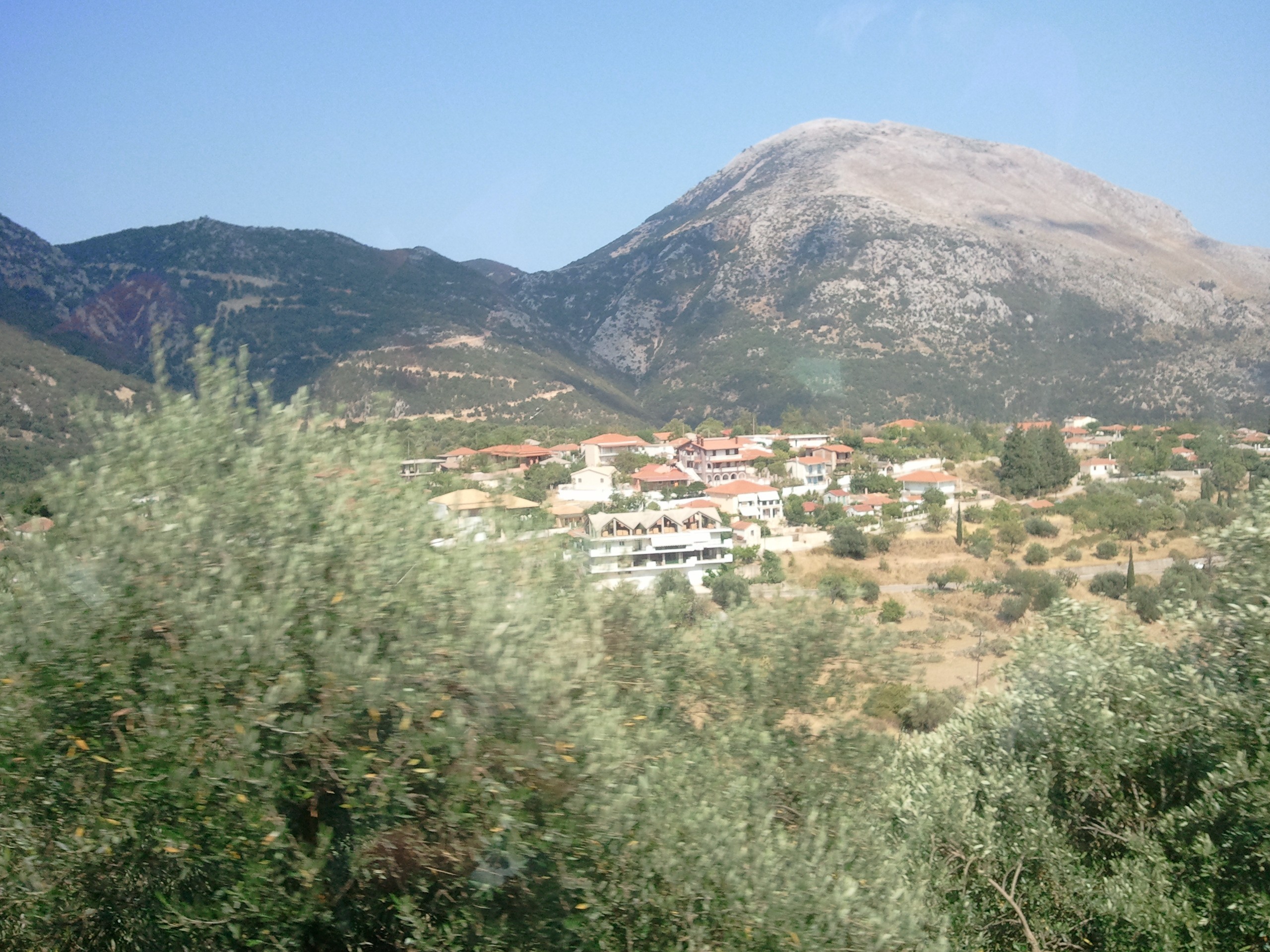
The Homeric city (Astus) was located on the island of Ithaca in an area identified with the historical city-state of Pronnon (Southeastern Cephalonia).
Location: The city was situated very close to the first beach (the southernmost shore) of the island, identified as the coastal zone of Skala.
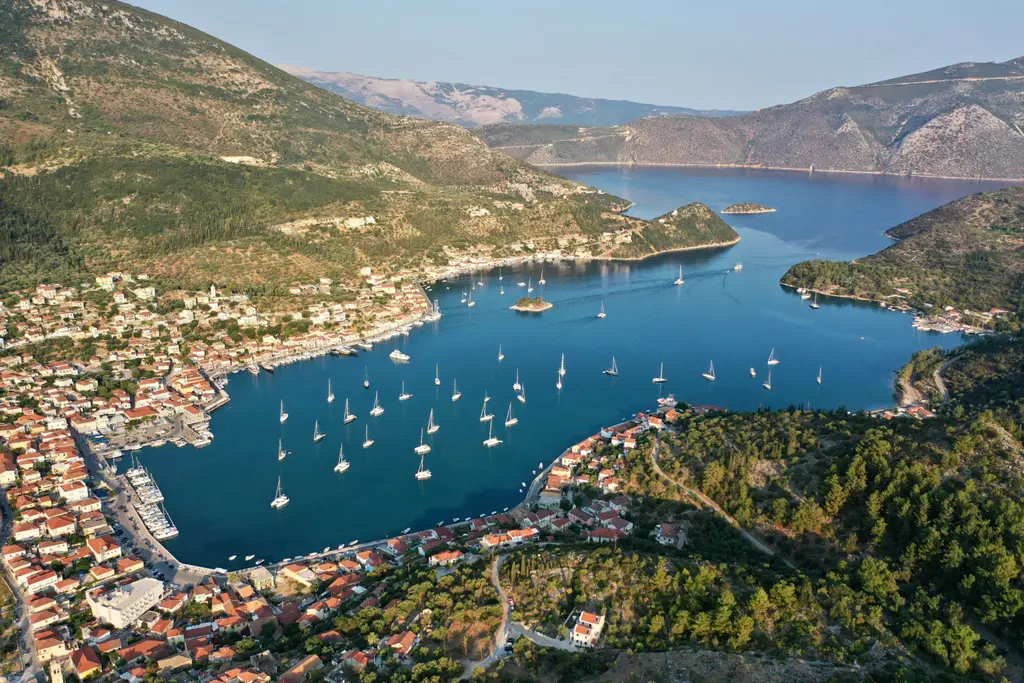
Harbor of Reithros: The city also featured the Harbor of Reithros, which was a river port (or stream harbor) located within the beds of the Vohyna stream inside the gorge of Poros. This area is also referred to as Hypo-Nēion Ithaca (under-Nēion Ithaca), potentially relating to a naval station or anchorage (nēion).
Geographical Advantages: This area offered the shortest route and easiest oversight of the Mycenaean kingdom's possessions on the opposite mainland shores of Elis (northwestern Peloponnese/Cyllene), a privileged maritime connection recorded repeatedly in the epic. Furthermore, the region of Pronnon today has the most irrigation springs and is geographically suitable for the kind of rich cultivation and vast herds described by Homer, unlike the arid modern Ithaca.
Archaeological Discoveries on the Map
Archaeological research conducted since the early 1990s in Southeastern Cephalonia has uncovered evidence supporting the hypothesis that this region housed a powerful Mycenaean center.
A hegemonic Mycenaean beehive tomb was discovered in Tzannata (near Poros) between 1992 and 1994.
More recent excavations (starting in 2011) at the nearby Riza Tzannaton identified the extensive Mycenaean settlement (Astios).
This center is strategically located near the Gorge of Poros (Harbor of Reithros) and the water-rich plain of Tzannata, with the fir-covered Ainos (Neriton) in close proximity.
A Theory as to Why Its Name Changed
The major discrepancy between the Homeric description and the island names used today is attributed to a "systematic cartographic reorganization" that occurred during the Dark Ages (after the collapse of the Mycenaean world, c. 1200 B.C.) and solidified by the early historical period (c. 5th century B.C.).
Cephalonia Acquires Its Name: The name of the original Homeric Ithaca (the large island) was eventually supplanted by Cephalonia, the island of the Cephalonians, who were the "great-hearted Kefallēnes" led by Odysseus. This change was actively encouraged by major powers like Athens (through propaganda linking the island to the progenitor Cephalus) and was supported by the island's subsequent division into four self-defined city-states (Tetrapolis).
Ithaca Name Migrates: The name Ithaca migrated to the smaller, neighboring island (which was likely the Homeric Samos). This transfer was primarily fueled by Corinthian political and commercial interests, who sought to appropriate the glorious Homeric myth by linking Odysseus to their own lineage (Sisyphus), thereby preserving the name and the myth on the smaller island.
For more information visit The Talking Stones post on The Homer's Ithaca blog.
Selected bibliography concerning the specific area and the Mycenaean presence on the islands of Kefalonia.
John T. Pierce, “Homer’s Influence on Mycenaean Archaeology and the Understanding of Late Helladic Historical Geography” (John T. Pierce, Professor Emeritus, Departments of Geography and Archaeology, Simon Fraser University, Canada.) https://jaa.thebrpi.org/journals/jaa/Vol_12_2024/1.pdf
John Albanese: (2020). “Some Preliminary Finds from the Tholos Tomb and Ossuary at Borzi Hill, Tzannata, Kefalonia.” Revista Maracanan 22. Available at: http://seer.unirio.br/revistam/article/view/11211/10988.
Klavs Randsborg, KEPHALLENIA: Archaeology & History, The Ancient Greek Cities, BLACKWELL MUNKSGAARD Vol. 1 & 2, 2002.
Lazaros Kolonas: “Tzannata of Poros,” Archaiologikon Deltion, vol. 47 (1992), part B1, Chronika, pp. 154–157.
Lazaros Kolonas: archaiologia.gr/print-article/?print=35604
Lazaros Kolonas: “Built Chamber Tomb at Tzannata of Poros, Cephalonia,” Kephalliniaka Chronika, vol. 11, pp. 381–382.
Lazaros Kolonas: Proceedings of the Conference on Letters, History and Folklore of the Pronnon region, “The Tholos Tomb of Tzannata of Poros,” p. 339.
Lazaros Kolonas: “The geographic advantage, the relief and the prehistory of an area, decisive factors for the foundation of a Mycenaean installation. The example of Cephalonia,” Proceedings of the XI Panionian International Conference, Argostoli Kefalonia2018, vol. 5, pp. 111–122.
Lazaros Kolonas: “Ancient Installations of Southeastern Cephalonia,” 7th Panionian Conference, vol. 2, pp. 37–45, Lefkada 2002.
Antonis Vasilakis: ttp://www.elliniki-gnomi.eu/archives/47791 “‘Odysseus was king of the Cephalonians’” | ELLINIKI GNOMI.
Antonis Vasilakis: Kefallonia Newspaper, interview with Dr. Antonis Vasilakis by Athanasia Markatou & archaiologia.gr/print-article/?print=35604
Antonis Vasilakis: “Mycenaean settlement at Tzannata of Poros, Cephalonia,” archaiologia.gr/?p=35604
Antonis Vasilakis (Honorary Director, Ministry of Culture; Former Ephor of Antiquities of Cephalonia–Ithaca & Zakynthos): “Mycenaean Seminar: Late Helladic Apsidal / Ellipsoid (Ovoid) Megaron at Tzannata of Poros, Cephalonia.”
Antonis Vasilakis: “Late Helladic Ellipsoidal Megaron at Tzannata of Poros. New evidence for the Late Helladic period in Cephalonia,” Proceedings of the 1A Panionion Conference 2018, vol. 5, pp. 51–74. https://www.openbook.gr/ia-diethnes-panionio-synedrio/
Ioannis Moschos, “Mycenaean occupation in Cephalonia. Population nuclei, list of sites and conclusions,” 7th Panionian Conference announcement, Lefkada, 2002.
Ioannis Moschos, “The Area of Pronnon and the eastern coast of Cephalonia before history, topography of the island, catalogue of sites and conclusions,” Proceedings of the Pronnon Region Conference 2005, pp. 227–324.
Odysseas Metaxas, “Observations on the early biography of the Odyssey,” 2020, Kymothoe magazine, vol. 30, pp. 55–84.
Odysseas Metaxas: Diverging trajectories within the west Mycenaean koine: the evidence from Kefalonia. (book chapter) In Archaeology of the Ionian Sea, Oxbow Books (2022) 10.2307/j.ctv22fqc0s.18 (pp. 169-178)
Odysseas Metaxas: “Archaeolinguistic elements from Cephalonia,” 1A Panionian Conference 2018, vol. IV, pp. 751–769. https://www.openbook.gr/ia-diethnes-panionio-synedrio/
Ioannis Boskos & Odysseas Metaxas: “The Tholos Tomb of Mavrata 80 years later,” Proceedings of the 1A Panionion Conference 2018, 5th volume, pp. 125–137. https://panionio.files.wordpress.com/2020/07/04-boskos-metaxas-sel.-123-138_m.pdf
Georgia Stratouli, Odysseas Metaxas, Anastasios Bekiaris, Anagia Sarpaki: “Practical social cohesions in the Neolithic of the Ionian: readings of archaeological material from the Drakaina Cave in Poros, Cephalonia,” 11th International Panionian Conference (Corfu, 30 April – 4 May 2014), published in the Proceedings 2017.
E. M. Chatziotou–G. Stratouli–E. Kotzambopoulou, “The Cave of Drakaina,” Archaeological Proceedings of Athens (1989), pp. 31–60 & Evangelia-Miranda Chatziotou, Georgia Stratouli, “The Drakaina Cave at Poros Cephalonia: evidence for prehistoric use and cult in historical times,” Proceedings of the 6th Panionian Conference, vol. A, pp. 61–76.
Stamatina Zapanti, “The participation of the Pronnon of Cephalonia in the Athenian Alliance,” Keph. Chronika, vol. 5, pp. 193–200.
Olympia Vikatos, “In the footsteps of the Taphians pirates: their wanderings in the Ionian Sea during the Late Bronze Age and the Dark Ages,” Proceedings Proceedings of the XI Panionian International Conference, Argostoli Kefalonia 2018, pp. 75–110.
Christina Souyoudzoglou-Haywood, Archaeology and the Search for Homeric Ithaca: The Case of Mycenaean Kephalonia Article in Acta Archaeologica · December 2018
Christina Souyoudzoglou-Haywood, Reuse and cult at the Mycenaean tombs of Kephalonia in the ancient historical periods. July 2020 In book: Proceedings of the XI Panionian International Conference, Argostoli Kefalonia 2018 (pp.223-242)
Christina Souyoudzoglou-Haywood, The Ionian Islands in the Bronze Age and Early Iron Age (3000-850 BC), 2nd edition. August 2025 Publisher: Liverpool University Press.
Christina Souyoudzoglou-Haywood, Islands in the stream:: a maritime perspective of the south-central Ionian islands in the Late Bronze Age, January 2022 DOI:10.2307/j.ctv22fqc0s.15 In book: Archaeology of the Ionian Sea (pp.117-136)
Christina Souyoudzoglou-Haywood, Archaeology of the Ionian Sea: Landscapes, seascapes and the circulation of people, goods and ideas from the Palaeolithic to the end of the Bronze Age January 2022 Publisher: OXBOW BOOKS
Petros Petratos, “From Heracles to the Dragon. Arakli and the strait of Poros,” Proceedings 1st Conference on the Letters, History and Folklore of the Pronnon region, Cephalonia 2005, pp. 379–395.
Petros Petratos, “Homeric Nymph Cave: Melissani Cave,” Keph. Chronika vol. 8, 2003, pp. 239–265.
Petros Petratos, “The Homeric Krokyleia,” Kephalliniaka Chronika, vol. 9, 2003, pp. 155–165.
Marinatos, Spyridon N. 1962. Kefallinia: A Historical and Archaeological Walk.
(Πρωτότυπο: Κεφαλληνία. Ιστορικός και αρχαιολογικός περίπατος)Marinatos, Spyridon.1923 (for the years 1920–21).“Archaeological Investigations throughout Cephalonia.”(Πρωτότυπο: «Αρχαιολογικαί έρευναι ανά την Κεφαλληνίαν»)
Marinatos, Spyridon. 1932. “The Goekoop Excavations in Cephalonia.” (Πρωτότυπο: «Αι ανασκαφαί Goekoop εν Κεφαλληνία»)
Marinatos, Spyridon. 1933. “The Goekoop Excavations in Cephalonia (Part II).”
(Πρωτότυπο: «Αι ανασκαφαί Goekoop εν Κεφαλληνία» — συνέχεια του προηγούμενου τόμου)Marinatos, Spyridon. 1951. “Excavations in Cephalonia.” (Πρωτότυπο: «Ανασκαφαί εν Κεφαλληνία»)
Marinatos, Spyridon. 1964 (published 1967). “Investigations in Sami of Cephalonia.”
(Πρωτότυπο: «Έρευναι εν Σάμη της Κεφαλληνίας»)Henriette Putman Gramer – Gerasimos Metaxas, Homeric Ithaca: An unidentified Mycenaean center in the islands of the Cephalonians, Cactus Editions, Athens 2000.
Henriette Metaxas-Putman Cramer, Makis Metaxas, Jan Pierce, John Pierce.
"IN far SEEN ITHACA Unravelling Homeric Riddles in the Ionian Sea" (forthcoming).Athens APE-MPE: “The most important archaeological events in Greece in 2011,” scientists speaking to APE-MPE, 28 Dec. 2011.
Vaggelis Pantazis, “The size of Homeric Ithaca,” Kephalliniaka Chronika, vol. 8, Argostoli 1999, p. 271.